

Introduction
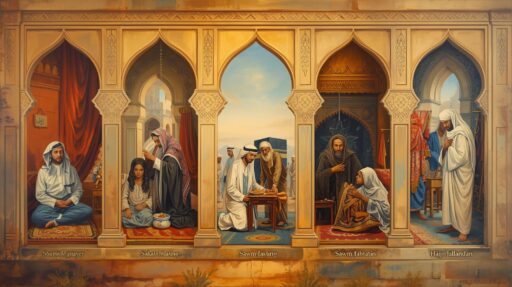
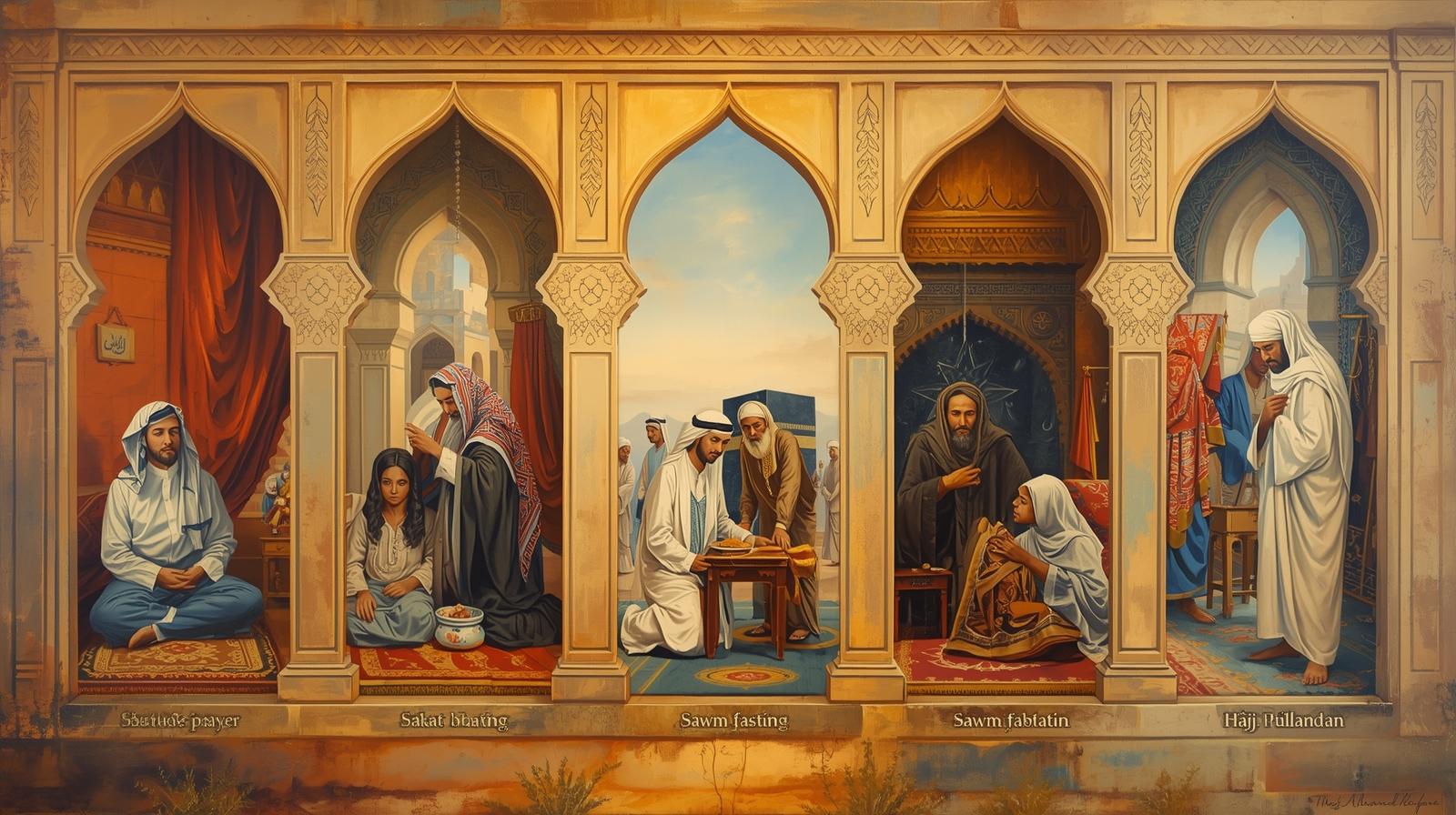
In the United Arab Emirates, Islam is more than a religion; it is the bedrock of national identity, culture, and the rhythm of daily life. The profound influence of the faith is most clearly observed through the practice of its Five Pillars, the core tenets that shape the beliefs and actions of every Muslim. For Emiratis, these are not abstract religious obligations but living, breathing practices that provide structure, purpose, and a deep connection to their community and God. Understanding these pillars is essential to understanding the spiritual heartbeat of the nation, from the quiet predawn moments to the joyous communal celebrations.
Shahada: The Foundation of Faith
The first pillar, the Shahada (Declaration of Faith), is the entry point into Islam and the constant reaffirmation of a Muslim’s belief. The phrase, “Ash-hadu an la ilaha illa Allah, wa ash-hadu anna Muhammadan rasul Allah” (“I bear witness that there is no god but God, and I bear witness that Muhammad is the messenger of God”), is whispered into the ear of a newborn baby, recited in the daily call to prayer (Adhan) that echoes from minarets across the country, and is the final word a Muslim strives to utter before death. It is the foundational belief that underpins every other aspect of life, a continuous reminder of God’s oneness (Tawhid) and the finality of Prophet Muhammad’s message.
Salah: The Daily Rhythm of Prayer
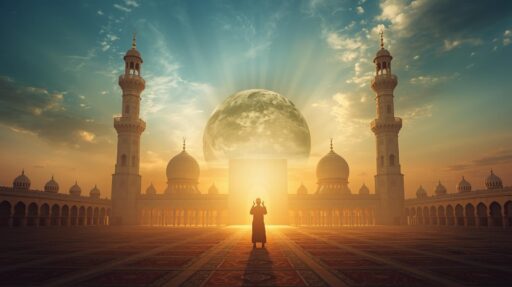
The second pillar, Salah (ritual prayer), is the most visible manifestation of Islam in the UAE. Performed five times a day at prescribed times, it punctuates the daily schedule. The Adhan (call to prayer) signals the time for prayer, and many businesses, government offices, and malls have designated prayer rooms (musallas) for convenience. On Fridays, the Jumu’ah (congregational prayer) takes on special significance, where Muslim men gather in mosques to listen to a sermon (khutbah) and pray together. The physical act of prayer—facing Mecca, bowing, and prostrating—fosters a sense of discipline, humility, and unity among worshippers, breaking from worldly affairs to reconnect with the divine multiple times a day.
Zakat: The Pillar of Social Responsibility
The third pillar, Zakat (almsgiving), is a powerful embodiment of social justice and community solidarity in Emirati culture. It is not mere charity but a mandatory act of worship, requiring Muslims to give a fixed portion (typically 2.5%) of their accumulated wealth each year to the poor and needy. This practice purifies one’s wealth and combats inequality. In the UAE, many fulfill their Zakat during the holy month of Ramadan, and numerous government-backed and private organizations facilitate its collection and distribution, ensuring that the blessings of the nation’s wealth are shared, reinforcing the Islamic principles of compassion and responsibility for one’s fellow human beings.
Sawm: The Spiritual Discipline of Ramadan
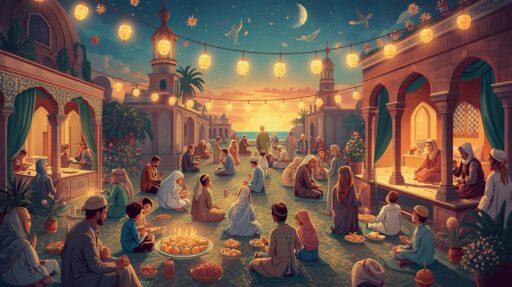
The fourth pillar, Sawm (fasting during the month of Ramadan), transforms the social and spiritual landscape of the UAE. From dawn to sunset, Muslims abstain from food, drink, smoking, and marital relations. This month-long practice is a time of intense spiritual reflection, self-discipline, and empathy for the less fortunate. The rhythm of life shifts; work hours are often reduced, and the nights come alive with the Iftar (meal to break the fast) and Taraweeh (special night prayers). The experience of shared hunger and the joy of breaking fast together strengthens family and community bonds, making Ramadan the most anticipated and cherished time of the year.
Hajj: The Culmination of a Lifetime’s Journey
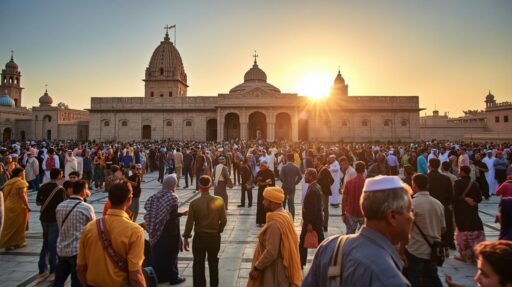
The fifth and final pillar is the Hajj, the pilgrimage to the holy city of Mecca in Saudi Arabia. It is a duty for every Muslim who is physically and financially able to perform it at least once in their lifetime. For an Emirati Muslim, the Hajj is the spiritual journey of a lifetime. The UAE government provides extensive support for its citizens undertaking the pilgrimage, from logistical assistance to health services. Returning pilgrims are often greeted with celebrations and are honored with the title “Hajj” (for men) or “Hajjah” (for women), a mark of their spiritual accomplishment. The Hajj is a powerful equalizer, where millions of Muslims from every corner of the globe, dressed in simple white garments, stand together in equality before God.
Conclusion: The Living Framework of a Nation
The Five Pillars of Islam provide a comprehensive framework that guides the moral, social, and spiritual life of the Emirati Muslim. They are the threads that weave together individual devotion and collective identity. From the private declaration of faith to the public act of prayer, from the personal discipline of fasting to the communal responsibility of charity and the global unity of the pilgrimage, these practices ensure that faith remains a dynamic and central force. They are the pillars that uphold not just a religion, but a way of life, shaping the character of the individual and the soul of the nation.