

Introduction
The mosque, or masjid in Arabic (meaning “a place of prostration”), is the heart of any Muslim community. In the UAE, from the smallest neighborhood prayer room to the grandeur of the Sheikh Zayed Grand Mosque, these structures are more than just buildings for worship; they are profound expressions of Islamic faith, art, and community. The architecture of a mosque is not arbitrary; every element, from the minaret to the mihrab, serves a specific spiritual and functional purpose. Understanding these elements unlocks a deeper appreciation for the beauty and meaning embedded in these sacred spaces.
The Minaret: Reaching Towards the Heavens
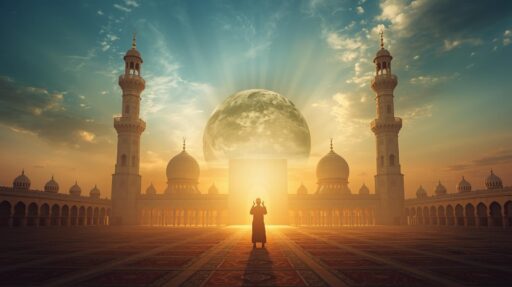
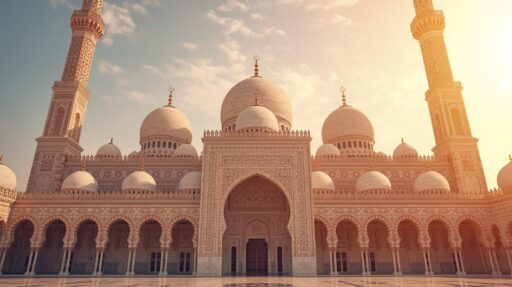
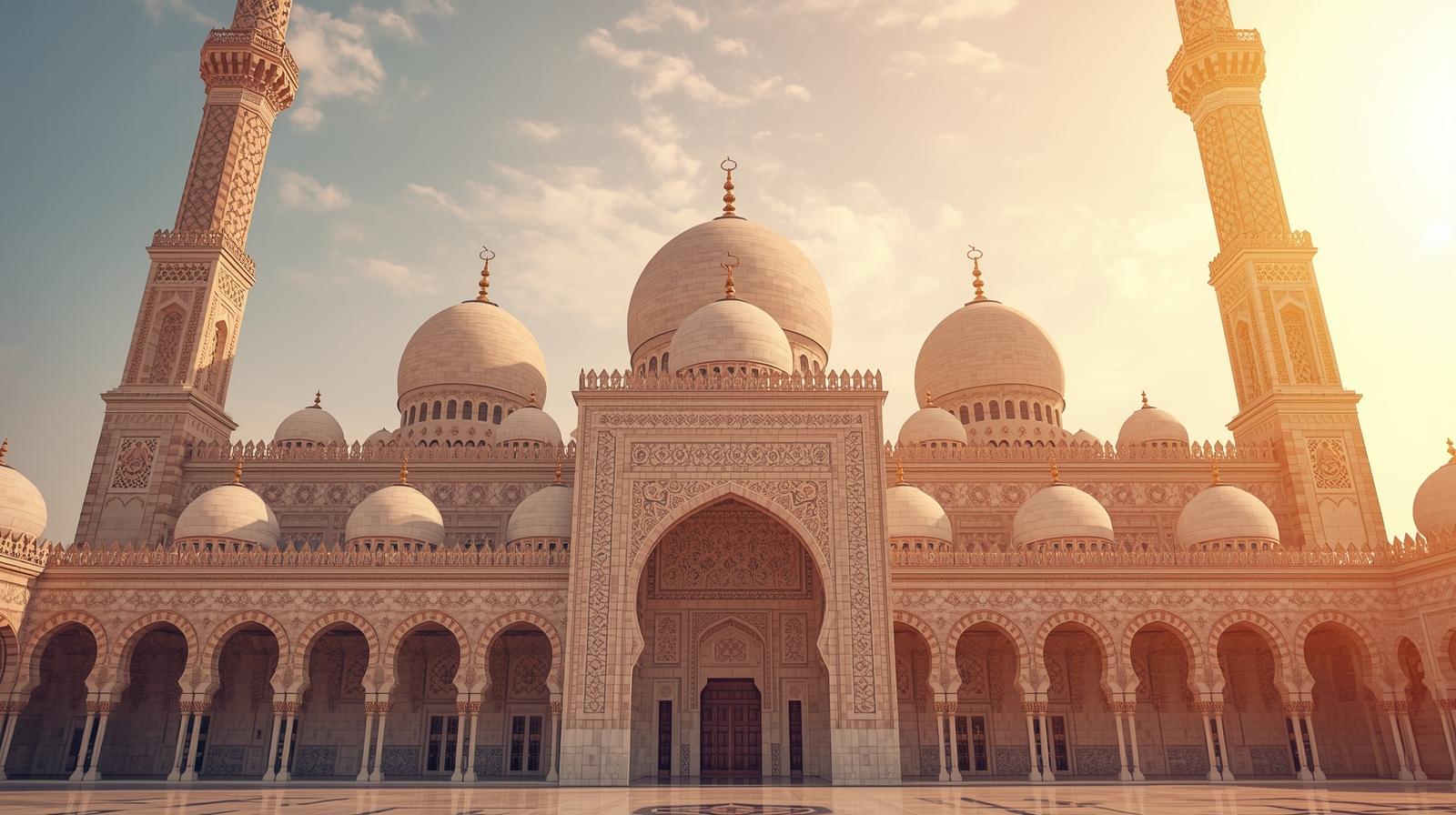
Perhaps the most iconic feature of a mosque is the minaret (mi’dhana). Traditionally, it is a tall, slender tower from which the muezzin (caller to prayer) issues the Adhan five times a day. While modern mosques often use loudspeakers, the minaret remains a powerful symbolic gesture, pointing towards the heavens and representing the reach of the Muslim community. Its verticality draws the eye and the mind upward, away from worldly concerns and toward spiritual contemplation. In the UAE, minarets display a variety of architectural influences, from the simple, unadorned towers of older mosques to the intricately decorated and illuminated minarets of modern structures.
The Dome: A Symbol of the Universe
The dome (qubba) is another quintessential feature of many mosques, particularly larger ones. Sitting atop the main prayer hall, the dome serves both an acoustic purpose, helping to amplify the voice of the imam, and a profound symbolic one. It represents the vault of heaven, the dome of the sky under which all worshippers are equal before God. The interior of a dome is often lavishly decorated with intricate geometric patterns, calligraphy, and arabesques, drawing the worshipper’s gaze upward in awe and reflection. The Grand Mosque in Abu Dhabi, with its cluster of domes, is a stunning example of this element’s aesthetic and spiritual power.
The Prayer Hall and The Qibla Wall
The main prayer hall is a vast, open space designed to accommodate rows of worshippers standing shoulder-to-shoulder in prayer. The floor is typically covered with carpets, often with lines woven into them to ensure the rows are straight, reflecting the order and unity of the congregation. The entire hall is oriented towards the qibla wall—the wall that indicates the direction of the Kaaba in Mecca, Saudi Arabia. This direction is the focal point of all Muslim prayers, symbolizing the unity of the global Muslim community (Ummah) all facing one direction in worship.
The Mihrab and The Minbar: The Spiritual Focus
Set into the center of the qibla wall is the mihrab, a niche or indentation that marks the direction of prayer. It is often the most ornately decorated part of the mosque, highlighting its significance. The mihrab symbolizes the presence of the imam (prayer leader) and focuses the attention of the congregation. To the right of the mihrab stands the minbar, a pulpit with steps from which the imam delivers the sermon (khutbah) during the Friday noon prayer. The minbar represents a platform for knowledge and guidance, elevating the imam slightly so he can be seen and heard, but not so high as to suggest superiority over the congregation.
Ablution Facilities: The Ritual of Purification
Before entering the prayer hall, Muslims perform wudu, a ritual ablution that involves washing the hands, mouth, nose, face, arms, head, and feet. This act symbolizes spiritual and physical purification, preparing the individual to stand before God. Mosques are always equipped with facilities for this purpose, ranging from simple washrooms with low taps to the elaborate, separate ablution areas with rows of seats and running water found in larger mosques. This practice underscores the Islamic principle that cleanliness is a part of faith.
Conclusion: A Space for Community and Contemplation
The architecture of a mosque is a carefully choreographed experience designed to facilitate worship, foster community, and inspire awe. Every element, from the call that emanates from the minaret to the focused direction of the mihrab, works in harmony to create a sacred environment. In the UAE, where mosques range from historic coral-stone buildings to breathtaking modern marvels, these structures stand as enduring testaments to the nation’s deep Islamic faith. They are not silent monuments but living, breathing spaces where the architecture itself guides the faithful toward prayer, reflection, and a deeper connection with the divine.