

Introduction
In the Islamic lunar calendar, the month of Rabi’ al-Awwal holds special significance as it marks the birth of the Prophet Muhammad. The celebration of his birthday, known as Mawlid al-Nabi or Eid Milad un-Nabi, is a joyous occasion observed by Muslims around the world, including the UAE. While its observance varies across the Muslim world, in the Emirates, it is a day of deep religious reverence, national festivity, and cultural expression that blends official ceremonies with heartfelt community gatherings, all centered on expressing love and respect for the final messenger of Islam.
A Day of Religious Reverence and Reflection
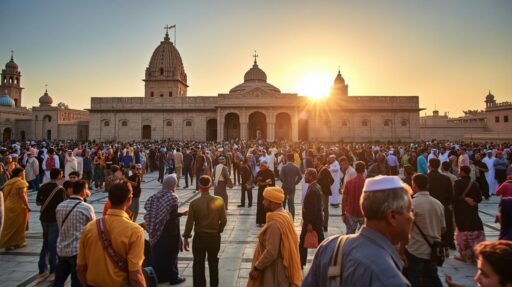
At its core, Mawlid al-Nabi is a spiritual event. The day is marked by special prayers, sermons, and religious gatherings in mosques and community centers. Imams deliver speeches (khutbas) focusing on the life, character (Seerah), and teachings of the Prophet Muhammad. They recount his message of mercy, compassion, honesty, and justice, urging the community to embody these values in their own lives. For many Muslims, it is a time for personal reflection on their faith and a recommitment to following the Prophet’s example (Sunnah) in their daily conduct.
Official Celebrations and National Identity
In the UAE, Mawlid al-Nabi is an official public holiday, reflecting its importance in the national consciousness. The government, under the leadership of the President and the Rulers of the emirates, organizes official events to mark the occasion. These often include large public gatherings featuring religious lectures by esteemed scholars, Quran recitation competitions, and poetic odes (Nasheeds) praising the Prophet. The national flag is flown across the country, and official statements are released, emphasizing the Prophet’s timeless teachings and their alignment with the UAE’s values of tolerance, peace, and human fraternity.
Cultural Expressions: Lights, Sweets, and Charity
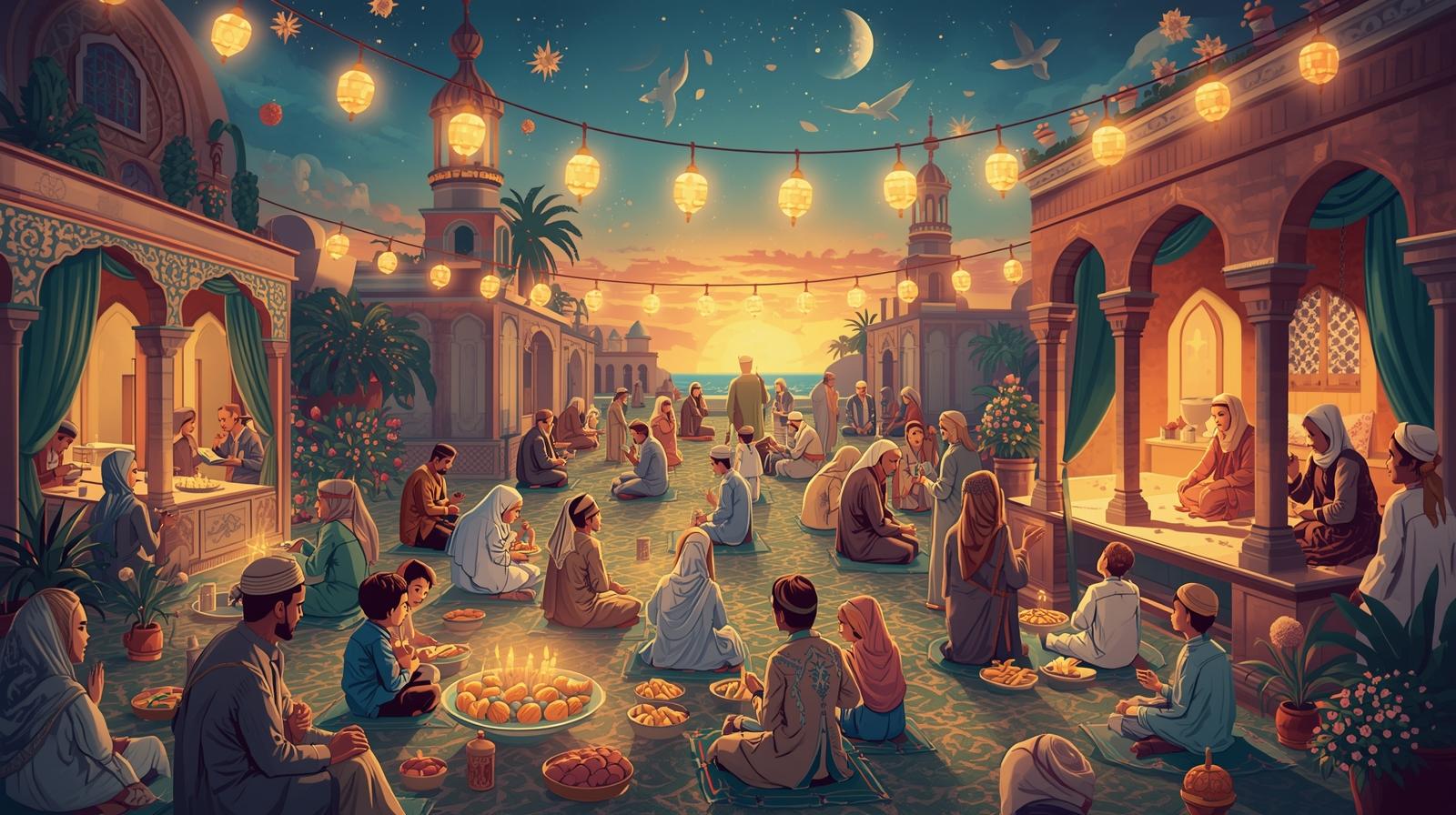
The festive spirit of Mawlid is visible in the streets and homes across the UAE. A common sight is the illumination of cities, mosques, and homes with green lights and decorations, green being a color traditionally associated with Islam and the Prophet. It is also a day for charity (Sadaqah), with many people distributing food, clothes, and money to the less fortunate, following the Prophet’s example of generosity. Families and communities gather for festive meals, and a special tradition involves the distribution of sweets, particularly those colored pink or green, symbolizing joy and celebration.
Family and Community Gatherings
Much like other religious occasions, Mawlid al-Nabi is a time for strengthening social and family bonds. Families gather for large meals, often featuring traditional Emirati dishes. It is also common for people to visit friends and relatives to exchange greetings. A special sweet dish, often a milky pudding or decorated cookies, is prepared and shared among neighbors, embodying the spirit of community and shared joy. These gatherings provide an opportunity for the older generation to narrate stories from the Prophet’s life to the children, ensuring the transmission of religious and cultural knowledge.
Conclusion: A Celebration of a Universal Message
The celebration of Mawlid al-Nabi in the UAE is a multifaceted event that transcends mere ritual. It is a powerful synthesis of deep religious faith, national pride, and vibrant cultural tradition. It is a day when the nation collectively pauses to honor the man who brought the message of Islam to the world, reflecting on the universal values he preached—values that resonate strongly with the UAE’s own vision for a tolerant, compassionate, and progressive society. In its official ceremonies and intimate family gatherings, the celebration reinforces the spiritual foundations of the nation while fostering a sense of shared identity and common purpose among its people.